
 By
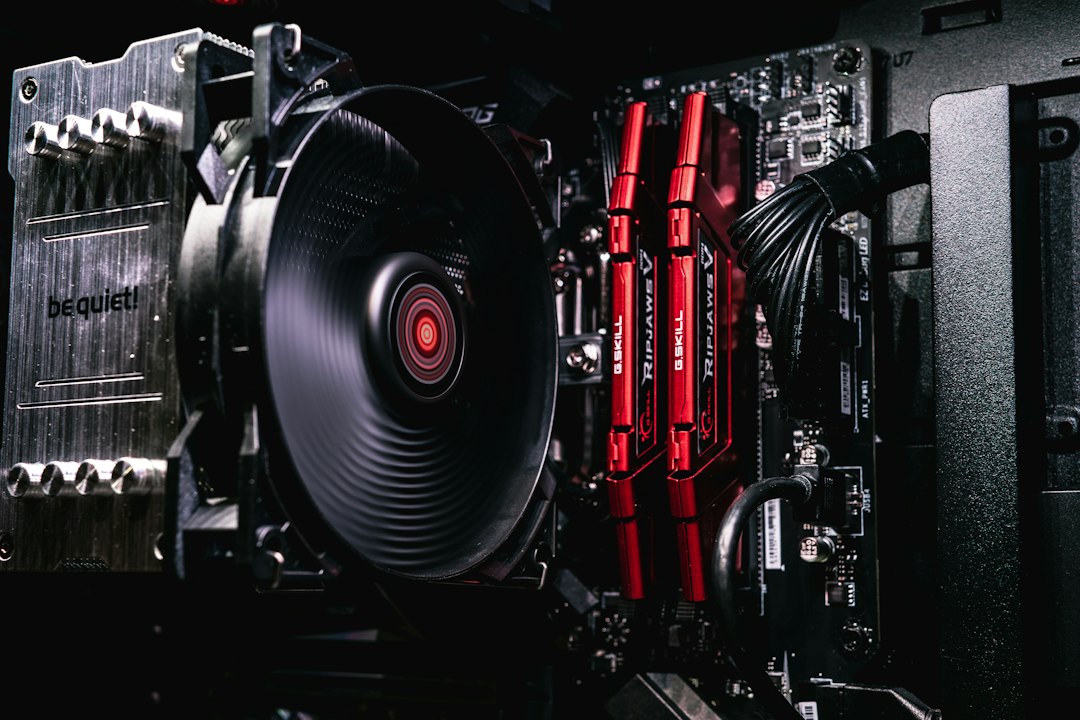
In the rapidly evolving world of computing, maintaining optimal temperatures for CPUs is crucial for performance and longevity. As technology advances, so does the need for effective cooling solutions. ThermalGuardTech.com stands at the forefront of this market, offering a diverse range of CPU cooling systems tailored to meet the needs of various users. Understanding the different types of CPU coolers available today can help consumers make informed decisions that enhance their computing experience.
Air Coolers
Air coolers are among the most common types of CPU cooling systems, utilizing a combination of heatsinks and fans to dissipate heat. These coolers work by drawing air through the heatsink, which absorbs heat from the CPU and releases it into the environment. The simplicity and effectiveness of air coolers make them a popular choice for both casual users and gamers alike. Recent market analysis indicates that air coolers account for approximately 45% of the total CPU cooler market, reflecting their widespread acceptance and reliability.
One of the key advantages of air coolers is their ease of installation and maintenance. Unlike liquid cooling systems, air coolers do not require complex setup or regular maintenance, making them ideal for users who prefer a straightforward solution. Additionally, many air coolers come equipped with RGB lighting and customizable designs, appealing to gamers and PC builders who value aesthetics as much as performance.
Liquid Coolers
Liquid coolers, also known as closed-loop cooling systems, have gained significant popularity due to their superior cooling efficiency. These systems utilize a liquid coolant that circulates through a series of tubes and a radiator, effectively transferring heat away from the CPU. Liquid coolers are particularly beneficial for high-performance CPUs that generate substantial heat during intensive tasks such as gaming or video editing. According to recent statistics, the liquid cooling segment has seen a growth rate of 25% over the past two years, indicating a shift in consumer preference towards more advanced cooling solutions.
While liquid coolers offer enhanced cooling capabilities, they do come with certain considerations. The installation process can be more complex than that of air coolers, requiring users to ensure proper placement of the radiator and pump. Furthermore, potential concerns regarding leaks, although rare, can deter some users from choosing liquid cooling. However, for those seeking maximum performance and quieter operation, liquid coolers remain an excellent option.
All-in-One (AIO) Coolers
All-in-One coolers represent a hybrid solution that combines the benefits of both air and liquid cooling systems. These pre-assembled units come with a pump, radiator, and fans, making them easy to install while providing the efficiency of liquid cooling. AIO coolers have become increasingly popular among gamers and enthusiasts who desire high performance without the hassle of custom liquid cooling setups. Market data shows that AIO coolers now represent about 30% of the liquid cooling market, highlighting their growing appeal.
The convenience of AIO coolers lies in their plug-and-play nature, allowing users to achieve effective cooling without extensive knowledge of liquid cooling systems. Additionally, many AIO models feature customizable RGB lighting and sleek designs, catering to the aesthetic preferences of modern PC builders. However, users should be aware that while AIO coolers are generally reliable, they may require occasional maintenance to ensure optimal performance.
Passive Coolers
Passive coolers are a unique category that operates without fans, relying solely on natural convection to dissipate heat. These coolers are typically larger and heavier than their active counterparts, as they require a larger surface area to effectively manage heat. Passive cooling systems are often used in environments where noise is a concern, such as home theaters or silent PC builds. Although they represent a smaller segment of the market, passive coolers are gaining traction among users who prioritize silence and energy efficiency.
One of the main challenges with passive coolers is their limited cooling capacity, making them suitable primarily for low-power CPUs. Users should carefully consider their cooling needs before opting for a passive solution, as inadequate cooling can lead to thermal throttling and reduced performance. Nevertheless, for specific applications, passive coolers can provide an elegant and efficient solution that aligns with the user’s goals.
Choosing the Right Cooler
When selecting a CPU cooler, users must consider several factors, including their CPU’s thermal output, case compatibility, and personal preferences. Understanding the specific cooling requirements of their system can help users make informed decisions that enhance performance and longevity. Key Insight: As the demand for high-performance computing continues to rise, the CPU cooler market is expected to grow, with consumers increasingly prioritizing efficient cooling solutions that align with their computing needs.
Ultimately, the choice of CPU cooler will depend on individual use cases and preferences. Whether opting for the simplicity of air coolers, the efficiency of liquid coolers, the convenience of AIO systems, or the quiet operation of passive coolers, ThermalGuardTech.com offers a comprehensive selection to meet diverse needs. By understanding the different types of CPU coolers available today, consumers can make choices that optimize their computing experience and ensure their systems run smoothly for years to come.